
The cultural significance of casinos in modern society
The Historical Evolution of Casinos
Casinos have a rich history that dates back centuries, reflecting societal changes and evolving attitudes towards gambling. The origins can be traced to ancient civilizations where games of chance were part of cultural and social rituals. Over time, these establishments transformed, from simple gaming houses in Europe during the Renaissance to grand casinos on the Las Vegas Strip. This evolution signifies how gambling has moved from a niche activity to a mainstream entertainment option, mirroring societal attitudes towards risk and leisure. For those interested in exploring more, jackpot-lounge-casinos.com is a great resource to consider.

In the 20th century, the casino industry underwent significant transformations influenced by technological advancements and changes in legislation. The establishment of casinos in places like Nevada and New Jersey exemplifies a shift towards recognizing the economic potential of gambling. As laws became more permissive, casinos emerged as vibrant hubs of activity, not just for gambling but for entertainment, dining, and socializing, thus becoming significant contributors to local economies.
Today, casinos are global phenomena, with large complexes in Asia, Europe, and the Americas attracting millions of visitors each year. This widespread popularity signifies a cultural acceptance of gambling as a form of leisure, showcasing how these establishments have woven themselves into the fabric of modern society. They represent not only economic vitality but also a social space where diverse groups can interact, share experiences, and partake in a common activity.
The Role of Casinos in Economic Development
The economic significance of casinos in modern society cannot be overstated. They create jobs, generate tax revenue, and stimulate local economies. In areas where casinos operate, employment opportunities span various sectors, including hospitality, entertainment, and security. The influx of visitors boosts local businesses such as hotels, restaurants, and retail shops, creating a ripple effect that can uplift entire communities. The tax revenue generated by casinos often funds public services, enhancing infrastructure and community welfare.
Moreover, casinos often serve as a catalyst for urban development. Many cities have transformed surrounding areas into entertainment districts, revitalizing neighborhoods and attracting further investment. The construction of casinos can lead to the development of hotels, shopping centers, and leisure facilities, creating a vibrant atmosphere that draws even more visitors. These developments contribute to economic diversification, making cities less reliant on traditional industries.
While the economic benefits are substantial, there are also challenges associated with casino development. Issues like gambling addiction and crime can arise in areas where casinos operate. It’s essential for regulators and operators to create frameworks that promote responsible gambling and ensure that the local community reaps the benefits of economic growth without facing negative consequences. This balance is critical to the sustainable integration of casinos into society.
Casinos as Social and Cultural Spaces
Casinos have evolved beyond mere gambling venues; they are now social and cultural hubs that facilitate interaction among diverse groups. The ambiance created in casinos, characterized by entertainment, dining, and vibrant decor, provides an inviting environment for social engagement. People from various backgrounds gather to enjoy shows, concerts, and events, fostering a sense of community. These interactions contribute to a shared cultural experience that transcends age and social class.
Moreover, casinos often host cultural events and festivals that celebrate local traditions and arts. This incorporation of cultural elements not only enhances the visitor experience but also supports local artists and performers, enriching the cultural landscape of the area. As casinos strive to offer more than just gambling, they are becoming pivotal in promoting local culture and heritage, showcasing the unique characteristics of their location.
Additionally, casinos play a role in shaping perceptions of gambling in society. By positioning themselves as entertainment venues rather than solely gambling establishments, casinos challenge the stigma often associated with gambling. This rebranding reflects a broader acceptance of gambling as a legitimate form of leisure, contributing to the normalization of the activity within modern society. In this way, casinos influence cultural narratives around risk and reward.
The Influence of Technology on Casinos
Technological advancements have profoundly impacted the casino industry, reshaping how people engage with gambling. The rise of online casinos and mobile gaming applications has made gambling more accessible, allowing individuals to participate from the comfort of their homes. This shift not only caters to changing consumer preferences but also expands the reach of casinos, introducing new demographics to gambling activities. As technology continues to evolve, casinos must adapt to meet the demands of modern players.
Additionally, innovations such as virtual reality and augmented reality are revolutionizing the gaming experience. These technologies provide immersive environments that enhance user engagement, allowing players to experience the thrill of casinos without the need for physical travel. Such developments indicate a shift in how casinos operate, as they compete not only with each other but also with other forms of entertainment and leisure activities available in the digital age.
As online and brick-and-mortar casinos integrate technology into their offerings, they also face challenges regarding regulation, security, and responsible gambling. Ensuring a safe and fair gaming environment is paramount, especially with the potential for increased gambling addiction associated with online platforms. Addressing these issues proactively can help maintain the integrity of the industry while promoting responsible gaming practices among players.
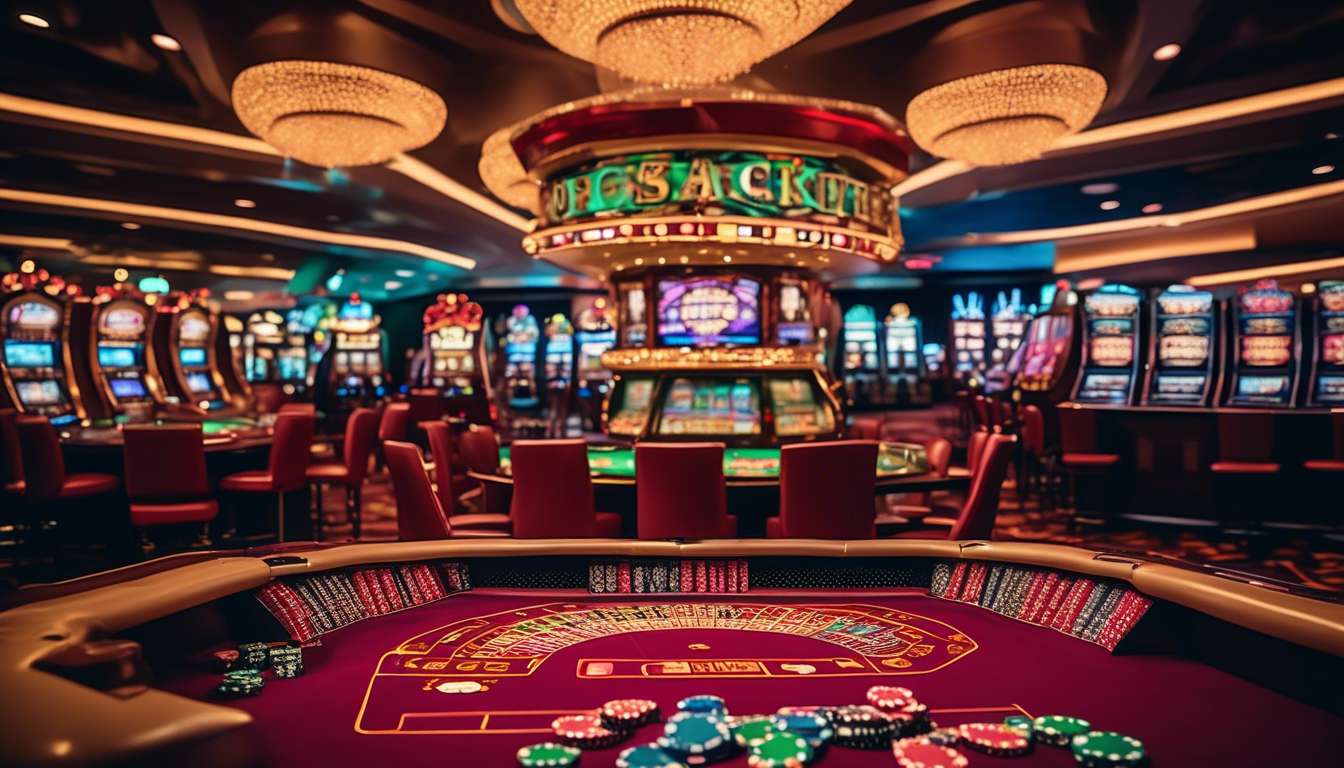
Jackpot Lounge Casino: A Modern Gaming Experience
Jackpot Lounge Casino exemplifies the modern approach to online gaming, catering specifically to the preferences and needs of players in New Zealand. This platform offers a vibrant selection of games, including slots, table games, and live dealer experiences, all designed to provide a seamless and enjoyable user experience. The attention to detail in game variety and quality highlights the importance of choice in modern gaming culture.
With enticing welcome bonuses and ongoing promotions, Jackpot Lounge Casino keeps players engaged and rewards their loyalty. These incentives are crucial in creating a positive gaming environment where players feel valued and encouraged to explore different games. The platform’s commitment to user experience is further reflected in its user-friendly interface and diverse banking options, ensuring convenience and accessibility for all players.
Moreover, Jackpot Lounge Casino prioritizes responsible gambling practices, providing resources and information to help players make informed decisions. By emphasizing security and player protection, the casino contributes to a healthy gaming environment that aligns with the evolving cultural perceptions of gambling. This focus on responsibility and community engagement showcases the potential of casinos to positively impact modern society while offering enjoyable experiences.